
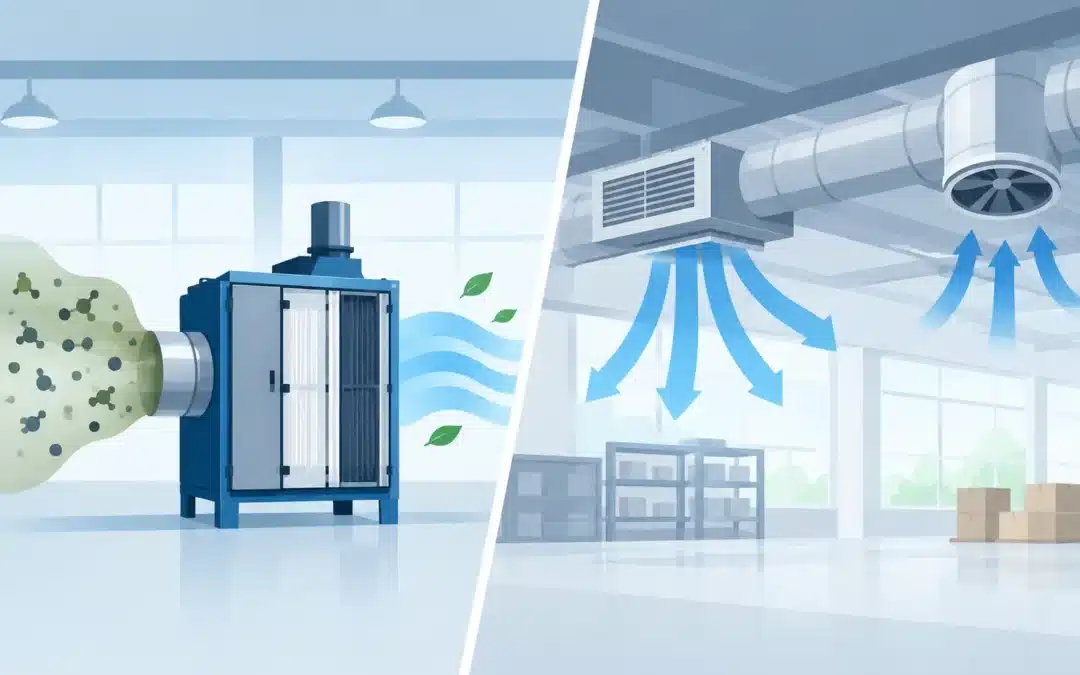
That new-carpentry smell may fade after a few days, but the chemicals behind it can continue releasing into your home for months. When comparing VOC treatment versus ventilation methods, the real question is not whether fresh air helps. It does. The question is whether it is enough for a newly renovated flat where formaldehyde and volatile organic compounds are still coming from built-in carpentry, flooring, paint, adhesives and new furniture.
For families preparing a nursery, welcoming elderly parents, or moving in with pets, this distinction matters. A home can look spotless after renovation cleaning yet still have indoor-air concerns that are not visible. The most practical approach depends on your home’s layout, the level of emissions, your move-in timeline and how consistently the space can be ventilated.
Why VOCs linger after renovation
VOCs are gases released by many common building and furnishing materials. Formaldehyde is one of the better-known indoor pollutants, often associated with composite wood, cabinetry, laminates, glues and some fabrics. Other VOCs may come from paint, sealants, cleaning chemicals and flooring products.
The release process is called off-gassing. It is usually strongest when materials are new, but it does not stop the moment the chemical smell becomes less obvious. Heat and humidity can increase emissions, which is particularly relevant in Singapore’s warm climate. Closing windows, running air-conditioning and filling rooms with furniture can also make a home feel stuffier, even after a long day of airing out.
Odour is therefore an unreliable safety test. Some compounds have noticeable smells at low levels, while others may not be obvious at all. Air-quality testing gives homeowners a clearer starting point than relying on whether a room smells “new”.
Ventilation: useful dilution, with clear limits
Ventilation replaces a portion of indoor air with outdoor air. In practical terms, this may mean opening windows and doors, using fans to encourage cross-ventilation, or relying on mechanical ventilation systems. It is the most familiar response to renovation odours because it is immediate, low-cost and easy to start.
When outdoor air is relatively clean and there is a good breeze through the home, ventilation can reduce the concentration of airborne VOCs inside. It is particularly useful in the first days after painting, cleaning or assembling furniture. During a renovation handover, keeping the home ventilated before and after a detailed clean is sensible housekeeping.
However, ventilation dilutes pollutants rather than stopping materials from releasing them. Once windows are shut, emissions from cabinets, wardrobes and furniture can build up again. A room with poor airflow, such as an internal study, storeroom or closed bedroom, may receive very little benefit even if the living area has open windows.
There are practical trade-offs too. Constantly open windows may bring in humidity, road dust, haze, traffic fumes, insects and noise. It may not be realistic when nobody is home, when heavy rain begins, or when air-conditioning is needed for young children and elderly family members. For many households, ventilation is helpful support, but not a complete indoor-air plan.
When ventilation may be enough
Ventilation can be a reasonable first measure when refurbishment is minor, the home has few new emission sources, windows can remain safely open for long periods and air-quality readings are already low. It also remains valuable after professional treatment because regular fresh-air exchange helps maintain a more comfortable indoor environment.
The key is to avoid treating ventilation as a guaranteed solution simply because the chemical smell has reduced. If the home has extensive new carpentry or occupants experience persistent irritation, headaches or strong odours, testing and specialist advice are more appropriate than waiting it out.
VOC treatment: addressing emissions at the source
Professional VOC treatment is designed to do something ventilation cannot: target pollutants released from surfaces and materials within the home. Instead of repeatedly diluting contaminated air, the treatment aims to neutralise formaldehyde and VOCs at their source.
Aura Home Solutions uses a non-toxic G-C3N4 neutralisation treatment through its FormaldeX service. The process is applied across the relevant interior surfaces, including areas where new carpentry, furniture and renovation materials are likely to contribute to emissions. A typical treatment can be completed in around two to three hours, making it practical during the busy final stages before move-in.
This route is especially relevant for homes with built-in wardrobes, kitchen cabinets, feature walls, new mattresses, extensive loose furniture or a renovation completed close to the move date. It gives households a more proactive option when waiting several months with the windows open is neither realistic nor reassuring.
Treatment should not be confused with masking odours using fragrance, spraying a generic deodoriser or placing bowls of charcoal around the room. Those measures may make a space smell different, but they do not necessarily address the underlying chemical emissions. A credible provider should be clear about the treatment method, its safety profile, testing process and what warranty protection is included.
VOC treatment versus ventilation methods: which should you choose?
For most newly renovated HDB flats, condominiums and landed homes, the strongest answer is not strictly one or the other. Ventilation and source treatment perform different jobs. Ventilation lowers the concentration of pollutants already in the air. Treatment targets the continuing emissions from materials in the room.
Choose ventilation as a supporting measure if the renovation is light, your home gets reliable cross-breezes and testing shows low readings. Continue to air rooms after cooking, cleaning and introducing new items, particularly if windows can be opened safely.
Consider professional treatment when the renovation includes substantial carpentry, you have a tight move-in date, or a baby, elderly resident, pet or sensitive family member will be spending long periods indoors. It is also worth considering when a home remains odorous despite regular airing, or when testing indicates levels that call for action.
A combined plan often provides the most peace of mind: complete post-renovation cleaning to remove dust and residue, arrange air-quality testing, treat the emission sources where needed, then maintain sensible ventilation after move-in. This avoids assuming that one open window can solve every indoor-air issue.
What to ask before booking a treatment
Homeowners should expect straightforward answers, not vague promises. Ask whether air-quality testing is included before or after treatment, whether the treatment is non-toxic for children and pets, how long the process takes, and whether the provider offers follow-up support. It is also reasonable to ask what areas are covered, especially inside cupboards, wardrobes and rooms with new furniture.
Warranty terms deserve close attention. VOC emissions can continue as materials age, so meaningful aftercare is more useful than a one-off visit with no accountability. Aura Home Solutions provides free air-quality testing, annual follow-ups and five-year warranty protection with its FormaldeX treatment, helping households make decisions with clearer information rather than guesswork.
Price transparency matters as much as technical language. Before booking, confirm whether the quotation covers the full home, what happens if extra rooms or additional furniture need treatment, and whether the treatment can be coordinated with cleaning or moving. A single, clearly scoped service plan can reduce the stress of managing multiple vendors during an already demanding move.
Plan for the home you will actually live in
The best indoor-air decision is based on daily life, not just on handover day. A family that keeps windows closed during working hours, sleeps with air-conditioning on and uses every newly fitted room needs a different plan from a household that can air a lightly renovated property for weeks before moving in.
Fresh air remains a good habit. But when new materials are actively releasing formaldehyde and VOCs, ventilation alone may only provide temporary relief. Start with testing, choose source treatment where the risk and timeline justify it, and give your household the comfort of entering a home prepared for living, not merely ready for viewing.