
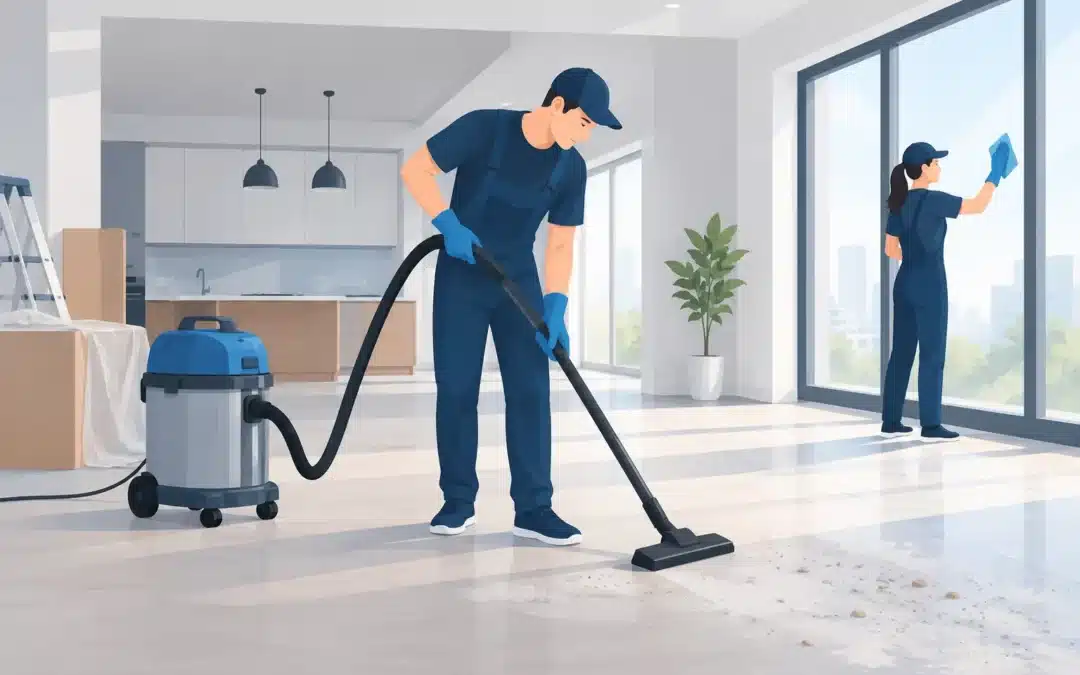
The renovation may be complete, the carpentry may be fitted and the keys may finally be in your hand – but a home is not ready for family life while a pale layer of dust still settles on every surface. Construction dust cleaning is the step that turns a finished project into a genuinely liveable HDB flat, condominium or landed home.
This is not a quick wipe of visible powder from the floor. Renovation residue travels into drawer runners, window tracks, light fittings, air-conditioning vents and the narrow gaps behind built-in furniture. Left behind, it can affect comfort, trigger irritation and make a home feel unfinished even after the contractors have left.
Why construction dust needs specialist attention
Construction dust is made up of more than the debris you can see. Drilling, hacking, sanding, tile cutting, plastering and carpentry work can leave behind very fine particles. These settle slowly, then become airborne again whenever someone walks through the room, opens a cupboard or switches on a fan.
For households with babies, young children, elderly family members or pets, that lingering dust can be particularly worrying. It may irritate the nose, throat or eyes, and it is not the sort of residue you want on nursery shelves, dining surfaces or inside wardrobes where freshly washed clothes will be stored.
A standard domestic clean is rarely enough after renovation. Household tools can remove surface dust, but they may simply shift fine particles around the room. The challenge is to remove residue methodically rather than disturb it and leave it to settle again overnight.
What a proper post-renovation clean should cover
A thorough construction dust cleaning service works from high areas downwards and from detailed surfaces towards open floor areas. This order matters. Cleaning floors first is wasted effort if dust remains on ceiling fans, ledges and upper cabinetry.
Professional cleaners should address accessible ceilings, light fittings, walls, skirting, doors, window frames, tracks and grilles before moving to built-in carpentry, shelves, drawers and countertops. Bathrooms need close attention too, especially around tile joints, sanitary fittings and glass panels where grout haze and fine debris often collect.
In the kitchen, dust can hide inside cupboards, beneath sink areas and around appliance spaces. Bedrooms deserve the same care, particularly wardrobe interiors, headboard walls and window ledges. The goal is not only a presentable look at handover. It is to prepare the surfaces your household will touch, use and furnish from day one.
Some areas require a realistic discussion. Very high ceilings, exterior-facing windows, concealed voids and spaces blocked by fixed fixtures may need separate access arrangements or may fall outside a standard scope. A transparent provider will explain these limits before work begins, rather than adding surprises after arrival.
The difference between dust, stains and adhesive residue
Not every post-renovation mark has the same solution. Fine dust responds to controlled vacuuming and damp wiping. Paint splashes, silicone marks, cement haze and adhesive residue may require suitable cleaning agents, careful scraping or additional time. Delicate finishes such as natural stone, polished metal, laminate and certain glass coatings should be treated conservatively to avoid scratches or discolouration.
This is why a clear site assessment and service scope are useful. It sets expectations on what can be safely removed and identifies defects that should be raised with the renovation contractor instead of being mistaken for cleaning issues.
When should you book construction dust cleaning?
The best time is after major renovation works, carpentry installation and touch-ups are complete, but before furniture, curtains and personal belongings arrive. Cleaning an empty home gives the team access to corners and storage interiors that become difficult to reach once the household is moved in.
If you are coordinating a move, allow time between the final contractor handover and delivery day. Even a well-cleaned home can gather dust again if drilling or rectification works resume afterwards. Where possible, schedule the final clean only when the renovation team has confirmed that no further dusty work is planned.
For a smooth move-in, many homeowners arrange cleaning first, then indoor-air treatment, then delivery of belongings. The right sequence can vary. For example, new loose furniture that releases odours may be better treated after it arrives, while deep cleaning is always easier before boxes and beds fill the rooms.
Cleaning dust is not the same as treating formaldehyde
A home can look spotless and still have an indoor-air concern. Dust comes from renovation work; formaldehyde and VOCs are gases that may be released by new carpentry, adhesives, paint, flooring and furnishings. Opening windows may reduce odours temporarily, but it does not necessarily eliminate emissions at their source.
That distinction matters when preparing a nursery, a pet-friendly home or a space for elderly parents. A proper move-in plan considers both visible cleanliness and what cannot be seen in the air.
Aura Home Solutions combines post-renovation cleaning with FormaldeX treatment, using non-toxic G-C3N4 neutralisation to address formaldehyde and VOCs at their source. The treatment is completed in around two to three hours, with free air-quality testing, annual follow-ups and five-year warranty protection available for greater peace of mind. It is a practical way to avoid coordinating separate cleaning and air-treatment providers when your move-in date is already approaching.
How to prepare your home for the cleaning team
A little preparation helps the service go further. Ask your contractor to remove bulky renovation waste and leftover materials before the cleaning appointment. Confirm that water and electricity are available, and ensure the cleaners can enter all rooms, cabinets and bathrooms.
It also helps to take photos of any pre-existing defects, such as chipped tiles, scratched glass or damaged laminates, before the clean. This is not about expecting problems. It is simply a sensible handover habit that keeps everyone clear on the home’s condition.
If appliances, mirrors or glass panels are newly installed, let the team know. They can take appropriate care around delicate surfaces and tailor the work to the actual state of the property rather than applying a one-size-fits-all routine.
A final check before moving your family in
After construction dust cleaning, walk through the home in daylight if possible. Open drawers and cupboards, inspect window tracks, run a clean hand along ledges and look behind doors. Check that bathrooms are free from loose debris and that kitchen storage is ready for utensils and food items.
You do not need to expect a showroom that has never been used. Minor imperfections in a renovated home can still exist, and cleaning cannot repair workmanship defects. What you should expect is a properly prepared space, with accessible surfaces cleared of renovation residue and ready for the next stage of your move.
Your home should feel like a place to unpack, rest and begin new routines – not another project waiting for your weekend. Plan the cleaning early, keep the scope clear, and give your household the clean, comfortable starting point it deserves.