
The smell of new carpentry may feel like the final sign that renovation is complete. Yet for many households, that smell is also a reminder that formaldehyde, VOCs and fine renovation dust may still be present indoors. Knowing how to reduce indoor pollutants before move-in gives your family a cleaner start, particularly when a baby, elderly parent or pet will be spending long hours at home.
Fresh paint, built-in wardrobes, vinyl flooring, adhesives and new furniture can all release chemicals into the air. At the same time, drilling and hacking dust can settle inside cabinets, on fan blades and in corners that look clean at first glance. A safer home is not created by opening the windows for one afternoon. It takes a practical sequence of cleaning, ventilation, testing and, where needed, professional treatment.
Know what is affecting your indoor air
Indoor pollutants are not all the same, so they should not be handled in the same way. Renovation dust is largely a cleaning issue. It can contain fine particles that become airborne again when disturbed, especially around air-conditioning vents, soft furnishings and high ledges. Formaldehyde and volatile organic compounds, known as VOCs, are gases released by certain materials over time. Their levels can be highest soon after renovation or when new furniture is brought in.
Common sources in a newly renovated HDB flat, condominium or landed home include laminate cabinetry, engineered wood, paint, sealants, curtains, mattresses, sofas and cleaning products. Cooking fumes, cigarette smoke and damp areas can add to the picture later on.
This does not mean every new home is unsafe. The level of concern depends on the materials used, how enclosed the space is, the amount of ventilation and the needs of the people living there. However, a persistent chemical odour, eye or throat irritation, headaches, or an odour that returns after the windows are shut are sensible reasons to investigate rather than simply mask the smell.
How to reduce indoor pollutants before move-in
The most effective approach is to deal with particles and gases separately, in the right order. Start after major renovation works are finished and before boxes, rugs and personal belongings fill the rooms. It is much easier to clean thoroughly and assess air quality while cupboards, floors and ledges remain accessible.
Remove renovation dust properly
A quick wipe-down is rarely enough after renovation. Fine dust travels into drawers, track channels, light fittings, behind appliances and inside empty cabinets. Dry sweeping can send settled particles back into the air, so use damp wiping methods and a vacuum with effective fine-particle filtration where possible.
Focus on high-touch and high-settling areas: internal cabinet surfaces, skirting, window tracks, door frames, ceiling fans, air-conditioning grilles and the tops of wardrobes. Soft furnishings should only be introduced once the main cleaning is complete, otherwise they can hold dust that is difficult to remove later.
Professional post-renovation cleaning is particularly useful after extensive carpentry, tiling or hacking work. It is not just about making the home look presentable for handover. The detail work reduces the dust that can otherwise circulate every time the air-conditioning is switched on or a cupboard door is opened.
Ventilate with a clear routine
Ventilation dilutes indoor pollutants, but it works best when done deliberately. Open windows on opposite sides of the home where possible to create cross-ventilation. Run ceiling or standing fans to help move air through enclosed rooms, and leave built-in cabinets open for part of the day during the first few weeks.
Singapore’s heat, rain and haze conditions mean leaving windows open all day is not always realistic. On hazy days or when outdoor traffic pollution is high, keep windows closed and use air-conditioning sensibly. The goal is not constant open windows at any cost, but regular exchanges of cleaner air when outdoor conditions allow.
Avoid relying on fragrance sprays, scented candles or incense to make a new home smell fresher. They may cover an odour briefly, but they can also introduce additional airborne compounds. If a scent disappears only while another fragrance is present, the original source has not been addressed.
Be selective with new items
Every additional new item can add to the total chemical load in a newly renovated home. Where timing allows, unwrap and air out new mattresses, sofas, curtains and loose furniture in a ventilated area before placing them in bedrooms or nurseries. Keep packaging materials out of the home once they are no longer needed, as cardboard, plastic and foam can hold odours in an enclosed room.
For future purchases, ask about low-emission materials and finishes. Solid wood is not automatically emission-free, and a low-VOC paint does not remove formaldehyde from cabinetry, so labels should be treated as useful information rather than a complete solution. What matters is the combined effect of all the materials in each room.
Control humidity and dampness
Humidity does not create formaldehyde, but warm and humid conditions can make a home feel stuffy and may encourage mould growth in poorly ventilated areas. Keep bathrooms dry after showers, repair leaks promptly and ensure kitchen and bathroom exhaust fans are working well.
Use a dehumidifier when needed, especially in rooms with limited airflow or during long wet periods. Clean its water tank regularly. A neglected dehumidifier, air-conditioning filter or extractor fan can become another source of unpleasant odours and poor air quality.
Why air-quality testing changes the decision
You cannot reliably judge indoor air by smell alone. Some pollutants have a noticeable odour, while others may not. Equally, a new-home smell does not tell you which substance is present or whether the level is reducing over time.
Air-quality testing gives homeowners a clearer basis for action. It can help identify formaldehyde and VOC concerns, establish whether treatment is justified and provide a reference point after the work is complete. For families preparing a nursery or moving in with elderly relatives, this reassurance can be more valuable than trial-and-error purchases.
Testing is especially worthwhile when there is substantial new carpentry, a strong chemical smell, limited natural ventilation, or a household member with respiratory sensitivities. It also helps avoid spending money on measures that do not match the actual issue. An air purifier may help reduce airborne particles, for example, but it does not necessarily neutralise gases emitted from cabinetry and furnishings at their source.
When professional formaldehyde and VOC treatment is the practical choice
Ventilation and cleaning are essential foundations, but they have limits. Formaldehyde and VOCs can continue off-gassing from materials after surfaces have been polished and the renovation team has left. If testing identifies an issue, source-focused treatment can be the more direct next step.
Aura Home Solutions uses a non-toxic G-C3N4 neutralisation treatment under its FormaldeX service to target formaldehyde and VOCs at their source. The treatment is designed for completed homes and can typically be carried out in two to three hours, making it easier to schedule around cleaning, furniture delivery and moving day. Free air-quality testing, annual follow-ups and five-year warranty protection provide a clearer path than hoping an odour fades on its own.
There is still a practical trade-off to consider. Treatment should complement, not replace, post-renovation cleaning and sensible ventilation. A home with dusty cabinets, blocked vents or ongoing dampness needs those issues resolved too. The strongest result comes from treating the whole move-in preparation as one coordinated process.
Keep pollutants lower after you have moved in
Once the home is occupied, small habits help protect the cleaner baseline you have created. Replace or clean air-conditioning filters according to use, wipe kitchen grease before it hardens, use the cooker hood when cooking, and avoid storing strong chemicals in bedrooms or enclosed cupboards. Choose unscented or lower-emission cleaning products when possible, particularly around children and pets.
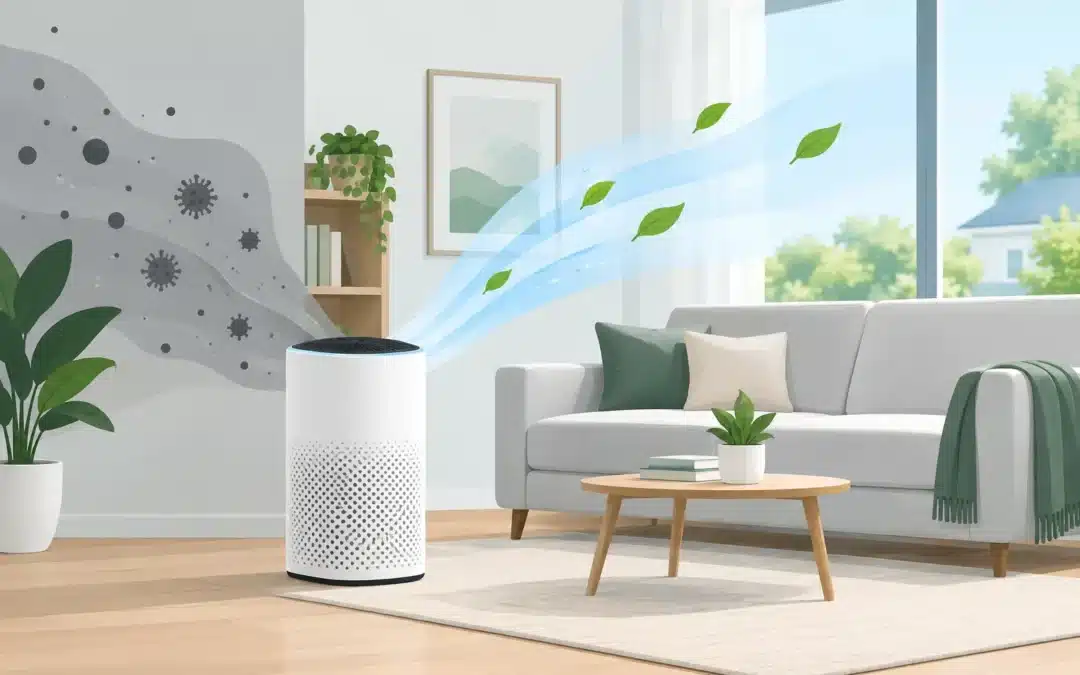
If you use an air purifier, match it to the room size and maintain its filters as instructed. It can be helpful for dust, pollen and fine particles, but it is not a substitute for cleaning, source control or professional assessment where formaldehyde and VOCs are concerned.
Moving into a renovated home should feel exciting, not like another project to manage alone. Arrange the right checks early, clean thoroughly before furniture arrives, and give your household the peace of mind to settle into a space that feels as safe as it looks.